How peripatetic music teachers can keep working if the schools close

Here in the UK the schools are still open and it’s business as usual but last night I sent out an email asking if parents would be up for skype lessons and the response has be overwhelmingly positive. I’ve made a rule that a parent or guardian must be there for the lessons.

I have been teaching skype lessons successfully for over 3 years, and I currently have a skype Drummer that has just taken her Grade 5 drum exam. All the parents need to do is download the Skype app on their smart phone for free and the calls are free.

If we don’t do the skype lessons, I have to refund the missed lessons on the next invoice, so it’s not worth relaxing at home when I could keep some of the work going for the ones that still want to keep the lessons going.

This gives me hope for when we have snow days, or flooded days, if this works.

It’s starting to be heart warming to see people respond in positive ways, like the italians singing in their balconies, and this morning seeing a singer who’s first european tour has been cancelled, doing a live social media tour, it is just inspiring.

Stay safe and stay positive 🙂

Tiberius Guitar Solo Unofficial Example – Grade 5 Rockschool


This grade 5 guitar solo is a transcript of a constructed solo used by a student for their grade 5 Rockschool exam. You are free to use this as a guide or for ideas for what to do at grade 5, but I recommend changing parts or making up your own too.

In  the first 3 bars, we have a quick sextuplet legato pattern. You pick the first note and pull off the second and third notes, and then repeat this pattern throughout.

For the 2/4 bar there is a lead part that mimicks the backing guitar part.

For the next 3 bars, we bend the 3rd string using 2 fingers (second and third) to bend up, and keep the first finger in position on the second string without bending it. Play both strings together like a chord and bend up the 3rd string.

The final bar is a quick rundown using mostly alternate picking in 16th notes. There is a quick hamme on and pull off on the (12h13p12) using your first and second finger and for this you only pick the first note.

End on a slide down to knowhere, which means lift off and mute the slide before you get to fret 1.

Next there’s a pretty fast riff to get stuck into so be prepared to go straight into that.


PDF Download – Tiberius Guitar Solo Unofficial Example – Grade 5 Rockschool

Guitar Pro 7 Download – Tiberius Guitar Solo Unofficial Example – Grade 5 Rockschool

Download Audio

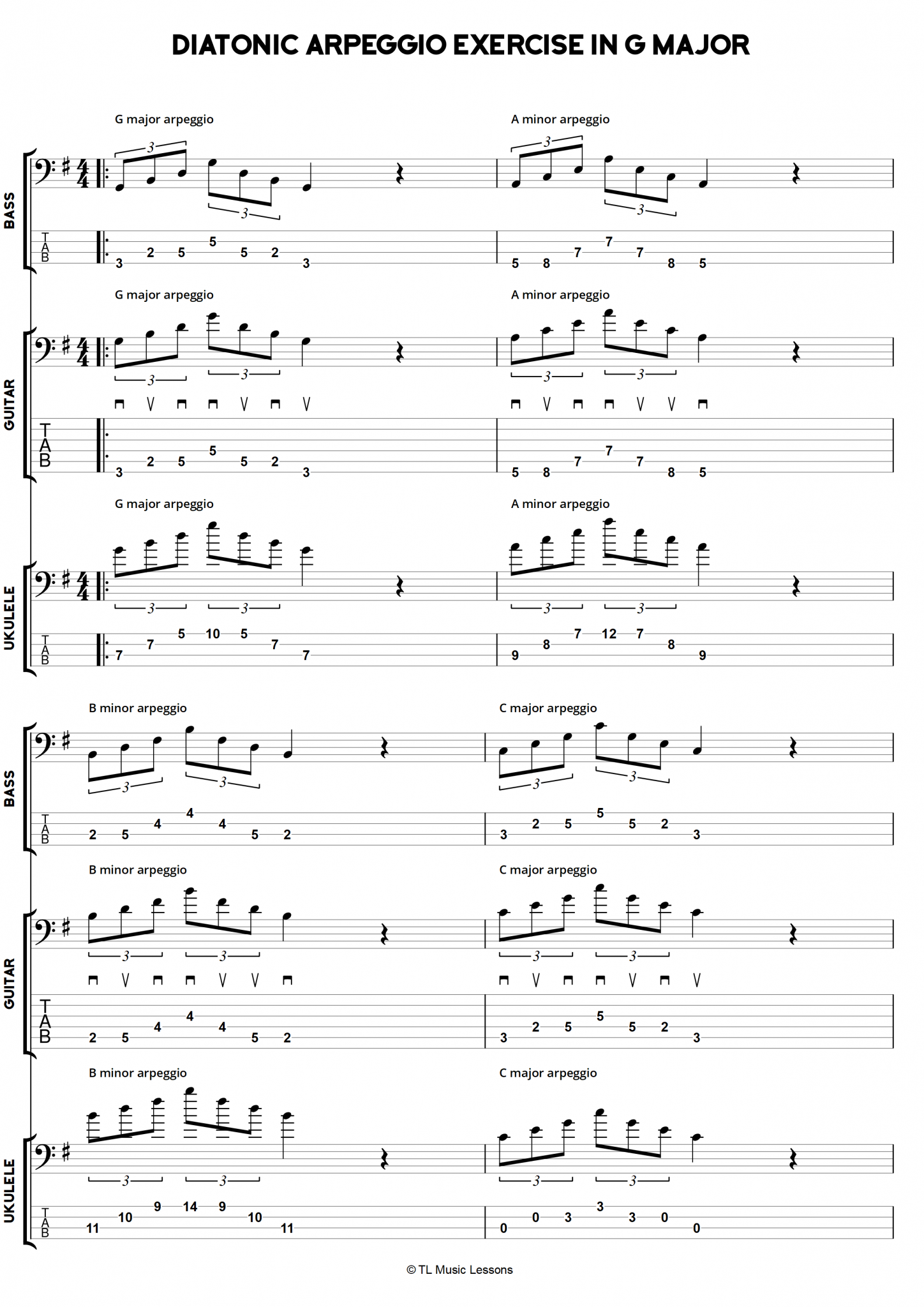
Diatonic Arpeggio Exercise in G Major

This arpeggios exercise has a sequence of 8 arpeggios and has sheets for Guitar, Bass and Ukulele.

The guitar and bass sheets are essentially the same, although the guitar part has picking instructions for downs and ups. For bass, you could probably use the guitar downs and ups. I use my fingers on the bass and I would play these with a walking right left right left of the first two fingers. I think most people start with their left finger (index finger) but I’ve always led with might right finger (middle finger), because following a RLRL pattern is more familiar as I play drums too.

The diatonic sequence is going up the G major scale and making each note into a chord that theoretically fits, and in this case turning them into an arpeggio.

With the repeat at the end, I have suggested to play through the sheet 2 times as a whole exercise. You may like to practice each arpeggio individually at first or if you are making mistakes.

Free File Downloads

Guitar PDF
Bass PDF
Ukulele PDF
Guitar Pro 7 File

2 Octave Major and Minor Scales in G

It’s another rainy day in the UK and for some reason I’ve woken up early and I have some time before work to post this. Blueberry porridge with honey, a cup of tea, rain, politics ruining another Christmas, yet we plod on with uncertainty debating on whether it’s too soon for Chirtmas songs. Neighbours are nailing up decs to their facia boards and wrecking them – it’s all very much go.

This half term I’ve been giving this sheet out to some of my beginners that have been doing easy scales and chords, and I’m aiming to get them into harder scales (some of these are from Grade 3) using one finger per fret (and therefore using all fingers for most scales) and eventually alternate picking (down, up, down, up) when they have got used to the scales. Along side any potential Chistmas songs and other things, I’m setting this as homework 1 or 2 times per week, and we’ll also go through some or all of them in the lessons.

Free Downloads

Here is a free printable PDF download of this scales sheet.

Here is a free Guitar Pro 7 download if you have that program – you can play the scales along at any speed.

Sheet 3 – A Minor Pentatonic Scale Practice Exercises Grade 1-3

Welcome to the third sheet in a series of posts on the A minor pentatonic scale, which includes various exercises designed to build up your knowledge of the scales and also to give you ideas and memories of ideas for soloing and melody making.

There are 4 exercises based on the first position of the A minor pentatonic scale. You will need to pay attention to the down and up pick markings to be able to play them fluently and at speed eventually. The first two exercises are all down picks, because they are more like riffs, which sound stronger with all down picks. Exercises 3 and 4 are generally ‘alternate picking’ on the 8th note (quaver) beats, which means ‘down up down up’ continued. It feels wierd at first but keep at it until it starts to feel natural.

There are free downloads availabile for this sheet, a printable PDF file and an awesome Guitar Pro file. Guitar Pro is a program where you can press play on the sheet and it will play the audio of the music. You can slow it down, transpose it, loop sections. It’s really useful.

Free Downloads

Download PDF Download Guitar Pro File

More Sheets

Sheet 1 Sheet 2

Sheet 2 – A Minor Pentatonic Scale Practice Exercises Grade 1-2

Welcome to the second sheet in a series of posts on the A minor pentatonic scale, which includes various exercises designed to build up your knowledge of the scales and also to give you ideas and memories of ideas for soloing and melody making.

In this second sheet, we jump in straight to the exercises. Go back to sheet 1 to learn the A minor pentatonic scale that we will be working with.

Then there are 4 exercises based on the first position of the A minor pentatonic scale, which all finish with an A minor chord to finish off the exercise and practice changing from the exercises to the chord. You will need to pay attention to the down and up pick markings to be able to play them fluently and at speed eventually. The patterns are generally ‘alternate picking’ where possible, which means ‘down up down up’ continued. It feels wierd at first but keep at it until it starts to feel natural.

There are free downloads availabile for this sheet, a printable PDF file and an awesome Guitar Pro file. Guitar Pro is a program where you can press play on the sheet and it will play the audio of the music. You can slow it down, transpose it, loop sections. It’s really useful.

Free Downloads

Download PDF Download Guitar Pro File

More Sheets

Sheet 1 Sheet 3

Sheet 1 – A Minor Pentatonic Scale Practice Exercises Grade 1-2

Welcome to the start of a series of posts on the A minor pentatonic scale, which includes various exercises designed to build up your knowledge of the scales and also to give you ideas and memories of ideas for soloing and melody making.

In this first sheet, we will first play the A minor pentatonic scale that we will be working with.

Then there are 3 exercises based on this scale. You will need to pay attention to the down and up pick markings to be able to play them fluently and at speed eventually. It feels wierd at first but keep at it until it starts to feel natural.

There are free downloads availabile for this sheet, a printable PDF file and an awesome Guitar Pro file. Guitar Pro is a program where you can press play on the sheet and it will play the audio of the music. You can slow it down, transpose it, loop sections. It’s really useful.

Free Downloads

Download PDF Download Guitar Pro File

More Sheets

Sheet 2 Sheet 3

Sheet 8 – Beginners Guitar Chords – Easy Reading Chord Exercise

Free PDF for this sheet.


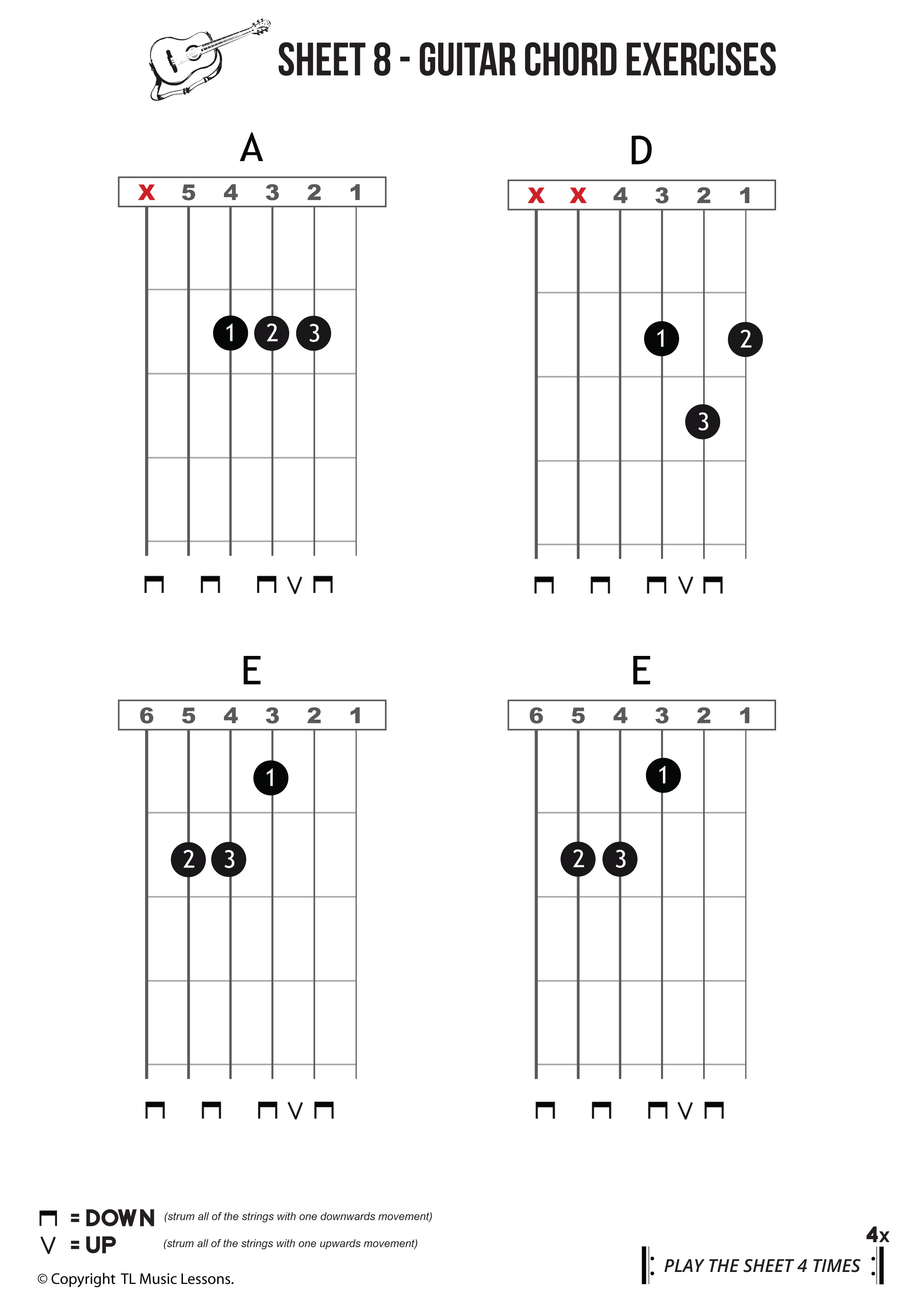
On this sheet we are going to use the beginners guitar chords A, D and E.

We are in the key of A and the chords are using the I IV and V (A = 1st, D = 4th, E = 5th) chord positions. The 1 4 5 pattern is very popular and playing them in order like that will sound very familiar.

In the chord exercise, you will need to look underneath the chord diagram to see the strumming pattern, and then play that for the chord. So, you will start with A, strumming 5 strings only (not the top string), and strum Down, Down, Down, Up Down, with the rhythm 1, 2, 3 + 4. Then moving onto the D chord with no gap if you can, or as quickly as you can make it, play the same rhythm for D. Then another quick change to E and this time it’s all 6 strings being played. As there are two E’s in a row, you will be able to easily go from one to the next without stopping because there is no chord change. The rhythm should be continuous, like this: 1, 2, 3 + 4, 1, 2, 3 + 4. Or like this: Down, Down, Down, Up Down, Down, Down, Down, Up Down.

When you have completed the two E chords, you then need to repeat the whole sheet a further 3 times to make 4 times around in total. Again, do a quick change from E back to A with as small of a gap as you can (but don’t go faster – there should still be 1 beat between the last E strum and the first A strum.


More sheets like this

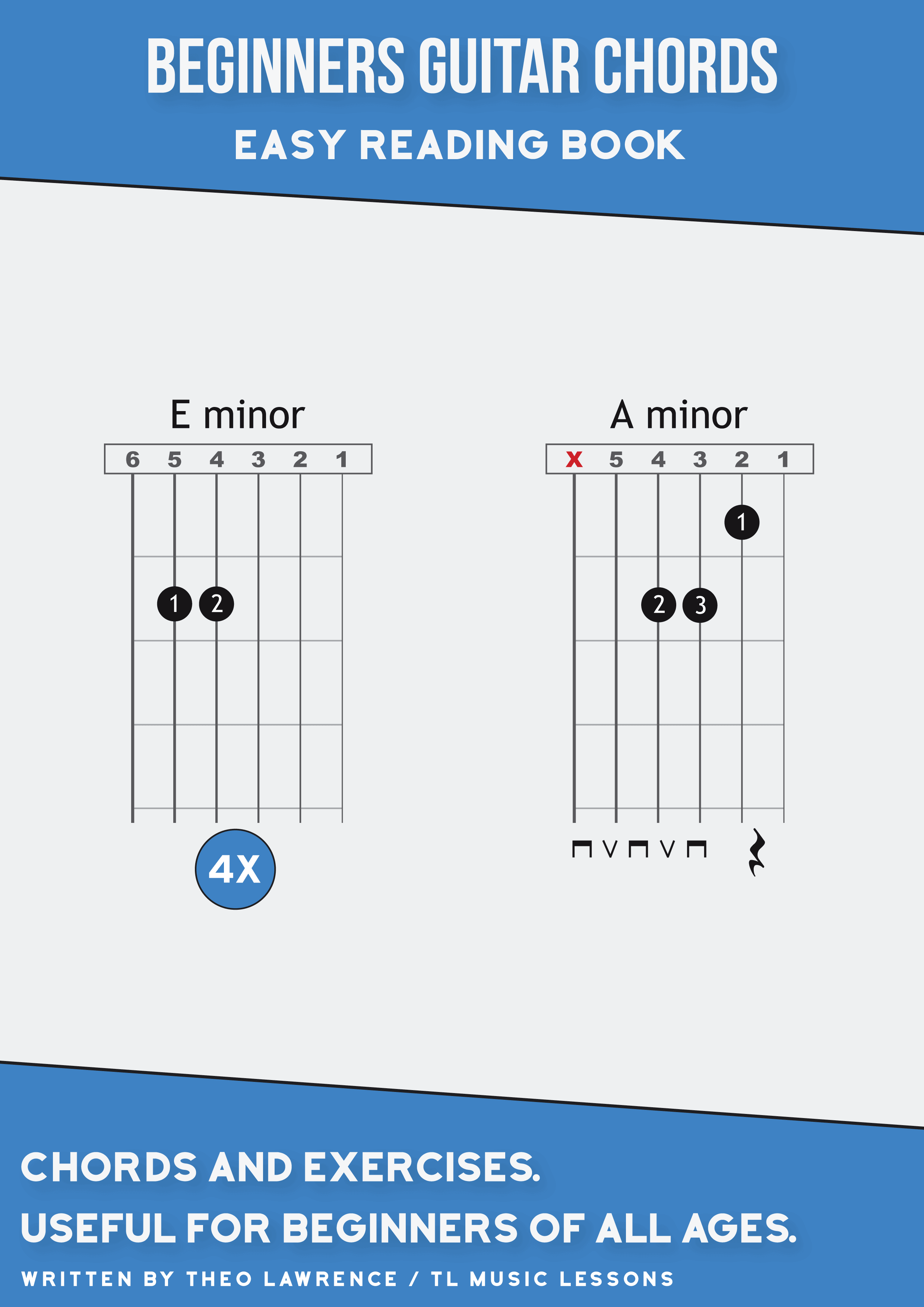
This sheet is from an ebook called: Beginners Guitar Chords – Easy Reading PDF Ebook (Premium).

Beginners Guitar Chords – Easy Reading Book

Free Preview →
Buy Now →

  • 18 pages (15 sheets with chord exercises)
  • Printable PDF File
  • Guitar book for beginners and teachers
  • Useful for beginners of all ages
  • Exercises with Beginners Chords
  • Chord Progressions
  • Rhythms and rests
  • All of these chords are featured at least once: A, Am, A7, Asus2, B7, C, Cmaj7, Cadd9, D, Dm, E, Em, Em7, F#m, F, G, G6, Gmaj7, G7.

Introduction

This ‘Beginners Guitar Chords’ easy reading book has been written following a year of testing and planning and with the knowledge and experience of over 10 years of guitar teaching.

The book is designed in a large ‘easy reading’ format, to be accessible for primary school age, whilst also being suitable for older children and adults.

The book contains 15 exercise sheets. On each sheet, you read the chords in the same order you would read a book; top left to top right, then bottom left to bottom right. The goal for each sheet is not to leave a gap in between chords, and to play each sheet continuously 4 times in a row. The numbers in the black circles are the finger numbers. These are suggestions as a guide, so other fingers can be used if preferred or more comfortable.

By the end of the book, the beginner guitar player should be ready to start playing songs that have beginners chords in. The student will have build up a good basic understanding of strumming, counting and chord changes.

The book covers most of the beginners chords you need for starting to play songs. It also covers techniques and fundamentals such as strumming, strumming rhythms, rests, repeats, and counting.

Make sure to spend plenty of time on each sheet and try not to work on too many sheets at once if you are new to guitar chords. Get comfortable and confident on each one before moving on and try to limit yourself to no more than 3 sheets per session or lesson. You could tick each sheet as you go along and make notes on the sides where needed. Once you have done more work and practice on the book, you might be able to do more sheets in one lesson or practice session.

The usual info

  • When you purchase this book online, you get a pdf file to keep forever.
  • Please do not redistribute the file or printed book publically or for profit.
  • Teachers can send the PDF file to individual students to practice with.
  • Teachers can print the book or single sheets as required for their students as many times as they like.
  • Feel free to make copies of the PDF file or printed copies, but only for personal or educational use or for keeping backups.

Thanks for reading. I hope you enjoy the book!

Theo Lawrence / TL Music Lessons

This book is listed on my blog learnguitarforfree.com and sold via payhip.com/tlmusiclessons

1st Edition ebook self published in 2019 by Theo Lawrence / TL Music Lessons.

Free Preview →
Buy Now →

All That Jazz: How to Get Started Playing Jazz Guitar

Photo credits: Marius Masalar and Katie Montgomery.

Guest post by Know Your Instrument.


Eager to begin your jazz guitar journey but don’t know where to start? You’ve come to the right place to get the top tips for jazz guitar beginners. Here we’ll discuss the things you need to do first when you set out to become a jazz player.

Ready? Here we go!

Get the basics down

We’re talking about guitar basics. If you’re going to be playing jazz, it’s a must for you to already be able to play the guitar, and play it well. If you are confident in your playing skills, have a good mastery of chords and scales and have a repertoire that includes a few jazz standards (‘The Girl From Ipanema,’ ‘My Funny Valentine,’ and ‘Fly Me to the Moon’ are a few examples), then you’re ready to focus on jazz music.

If you’re not quite there yet, then we suggest getting more practice time in. Supplement your learning with more songs from various artists so you can further develop your ear – and your playing style – for jazz music.

Get a good guitar

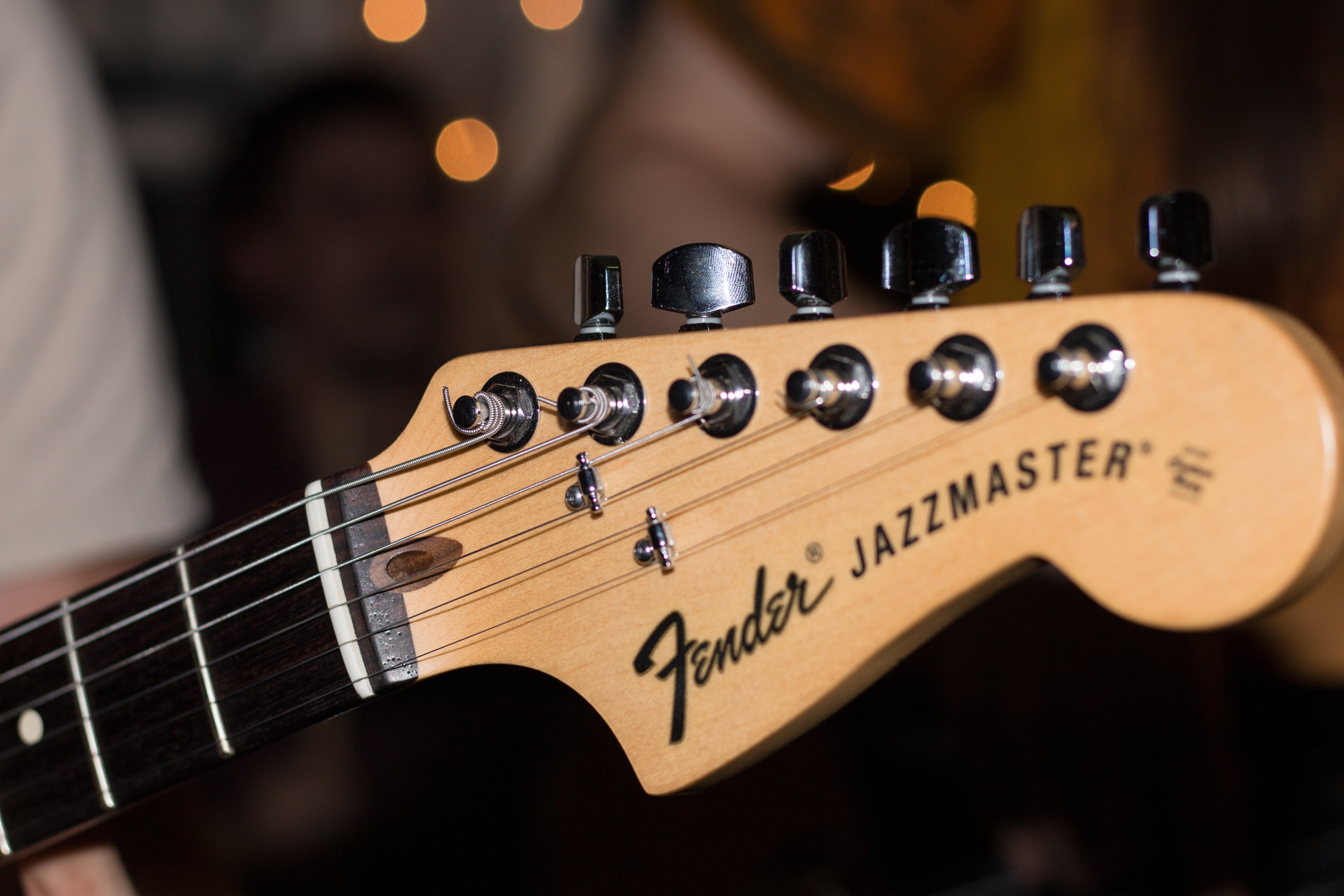
While you can definitely get a good jazz sound from a standard solid-body electric guitar, if you really want a really nice jazzy tone then you’ll have to get a guitar that’s designed for playing jazz music. Solid-body electrics are built more for rock, but there are those like the Fender Jazzmaster that’s really built for jazz.

Of course, nothing beats semi-hollowbody and hollowbody guitars when it comes to making jazz music. Some of the best guitars for jazz are of these body types. Check out the Gibson ES-335, Epiphone Sheraton II-PRO and the Ibanez Artcore AS73, which are all semi-hollow, and the Epiphone Emperor Swingster, which is a hollowbody guitar. For budget-conscious beginners, the Epiphone and Ibanez models come highly recommended.

Learn to read music


Legendary jazz guitarist Wes Montgomery couldn’t read notes but he didn’t really have to, being the fretboard genius that he was. Unfortunately, many of us don’t have the same natural, innate ability to create melodic lines and navigate our way across the fretboard without the aid of music sheets.

So, unless you have Montgomery’s talent, reading music is a skill you must learn to become a good jazz guitar player. This skill is a plus too if you’re looking to teach guitar or compose your own music in the future.

Expand your repertoire

Once you’ve started to listen to more jazz tunes and read music, you can now increase your repertoire and really learn to play jazz. Start with songs you like – learn to play the melody first and then the chords. Break down each section and get it right before moving on to the next.

The more you listen and play, the more you will be able to internalize the rhythms, melodies, harmonies and the various song forms in jazz music. You won’t simply be imitating or memorizing jazz standards, you will actually be expressing jazz. This will not only help you in doing improvisations but also in becoming a better jazz guitarist overall.

Final Word

The most important thing you need to do when you start learning jazz guitar is to develop a thirst for knowledge. Keep on learning and honing your playing skills and technique. Be conscious of what you still need to know and improve on to become a better player and work on it. Practice regularly and soon you’ll be able to improvise with ease, play sophisticated solos and express your own musical voice. Good luck!

Portable Keyboard for Practicing Piano: What to Look for?

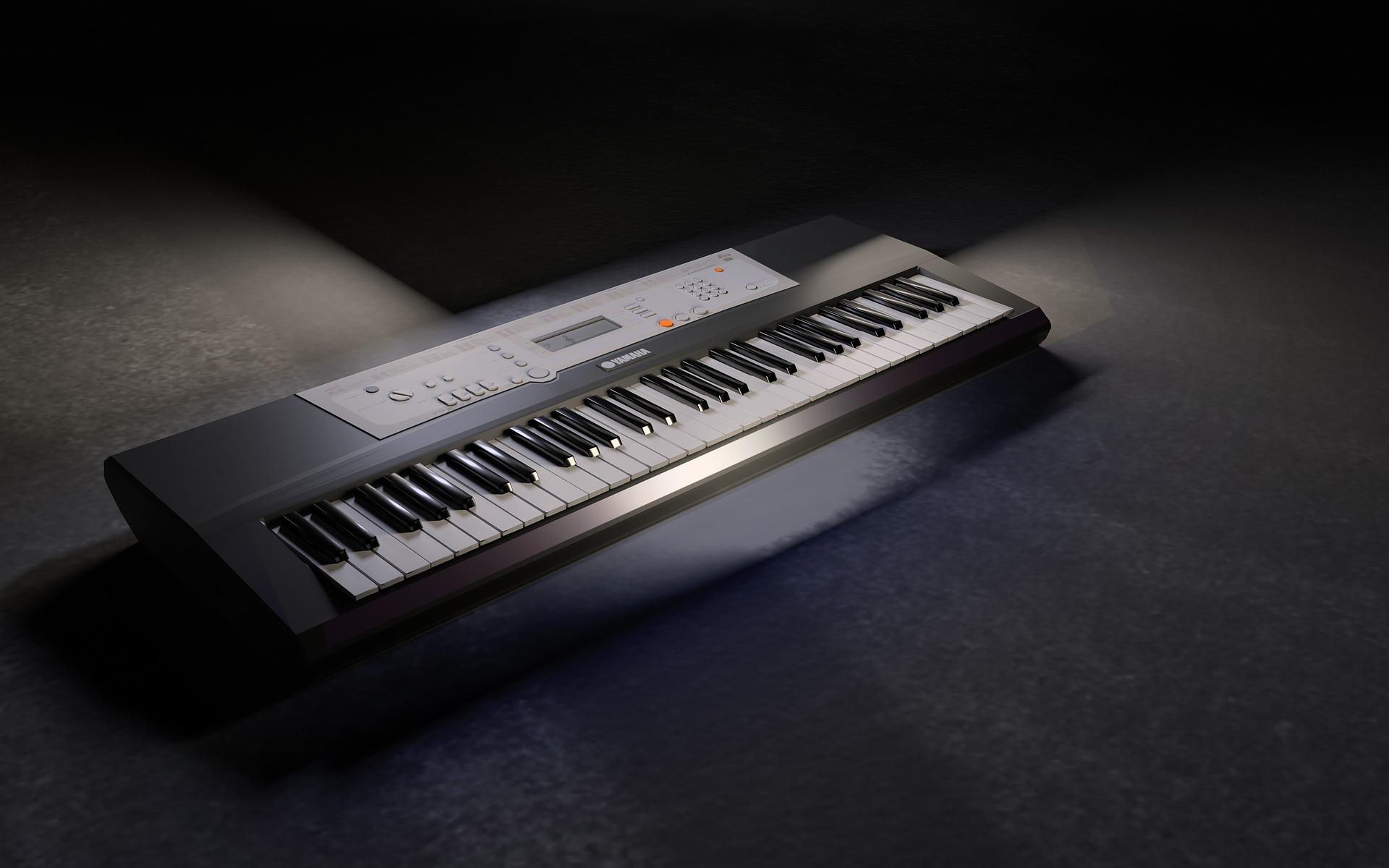
Image by PIRO4D from Pixabay.

In cooperation with consordini.com.


One of the biggest disadvantages of playing the piano is that you can’t throw it in a case and take it with you. This is why many pianists use portable keyboards for practicing piano.

A keyboard you can carry with you at no great inconvenience is wonderful, but it comes with very obvious compromises.

First, let’s talk about the glaring advantage, it’s portable! There are a lot of reasons that make having a portable keyboard an appealing option.

A common choice of keyboard for performers is the Nord Stage 3, it can be moved but it’s very heavy. Similar keyboards/synths have the same issue, Yamaha MOTIF, Roland Fantom, they are all heavy.

Many musicians choose to save these kinds of keyboards for gigging and take something much lighter to rehearsals.

You might be going on a trip that doesn’t involve performing at all but still want to practice piano. Even at home don’t underestimate the value of a portable keyboard.

If you have a busy household, finding a quiet spot to practice piano can be difficult. Having something you can move from room to room quickly and easily might be your only way.

For these reasons and many more, a portable keyboard is a very desirable option.

What it really comes down to is the question what do you need it for? Depending on your needs there will be acceptable and unacceptable sacrifices.

Sound Quality

Before even thinking about the obvious things like size and weight, let’s talk about sound.

If you are buying a portable keyboard primarily for practice, then the price will likely be a factor. High-end keyboards with amazing sounds tend to be heavy. Cheaper portable keyboards don’t tend to have the same quality or range of sounds. If you want it mainly to practice alone this won’t be as big an issue for you. But if you are using it for group rehearsals then it’s a different story.

In a group setting, you need to consider how much the actual sound affects the practice. For example, a song with a very specific synth sound may not feel the same with another sound. So, you have to consider both the positive and negative impact on your rehearsal time.

I should also be clear that you can get lightweight, portable keyboards with amazing quality and range of sound. That’s if you are happy to pay a higher price.

My first suggestion would be to consider sound quality versus price. This should help you figure out where you can and can’t sacrifice.

Number and Weight of Keys

Assuming the main purpose of the keyboard will be to practice the piano, then the number and kind of keys are very important. What I mean by this is using a piano sound more than say a synth or organ where weighted keys aren’t an issue.

The lowest number of keys I would consider worthwhile is 49 or 61. Anything below 49 really limits what you can practice. For practicing scales, modes and, harmony, 49 keys are absolutely fine. For practicing specific pieces, for example, classical music, you may run out of octaves fast. I would suggest 61 keys allow for a much wider range of use.

Most portable keyboards will have touch sensitive keys but not weighted keys. If you are practicing material where expression and feel are important, this will be an issue.

If you perform on weighted keys then the inconsistency between practice and performance could do more harm than good.

Graded soft touch is a term that you will hear often with portable keyboard keys. It means the keys gradually get heavier from low to high. Overall this offers a light feeling of weight in the keys but not quite semi-weighted.

Graded soft touch keys are often an acceptable compromise when you want to keep the weight down.

Overall Weight of the Unit

The overall weight is the biggest positive for a portable keyboard. The total weight of the keyboard is determined by the two factors we just covered, number and weight of keys.

The more keys you have, the longer the keyboard, the heavier it is. In the same fashion, non-weighted to semi-weighted to fully-weighted keys adds to the overall weight at each step.

Potential Options

In the 49-key range, all keyboards will be lightweight but there are some other things to consider. Many keyboards of 49 keys or less don’t have full-size keys, they have smaller, shorter keys. This is something I’d strongly avoid when practicing piano.

One example of 49 full-size keys is the Casio CTK-240. This keyboard has 100 built-in sounds, 100 rhythms and it’s very lightweight (6.2 lbs). If you just want a keyboard that makes a piano sound and can be taken anywhere, this is worth a look.

At 61 keys there are plenty of options, the Yamaha PSR range has been a mainstay in this category for decades. Here are a couple of options:

Yamaha PSR-E363: A portable keyboard with 61 velocity sensitive keys. It has over 500 built-in sounds, including some of Yamaha’s trademarked sounds usually found in more expensive keyboards. The PSR-E363 costs approximately $180 and weigh around 10 lbs.

Casio CTK-3500: 61 two-stage velocity sensitive keys with 400 built-in sounds. The CTK-3500 costs approximately $130 and weigh 7.4 lbs.

To give you something else to think about, if you have a laptop you can also consider MIDI controllers. You can get 88 semi-weighted keys, like the M-Audio Keystation for around $200.

So, 88 keys mean a longer keyboard, more awkward and less portable but it’s very, very light at 17 lbs. It comes with premium virtual instruments that will beat the sound quality of any of the other keyboards I mentioned above.

Summary

Whatever keyboard you choose it’s always going to be a trade-off of qualities. Sound vs weight vs key action vs price, naturally when one factor changes it alters the others.

Think about exactly what you want from it, prioritize your needs then find the best compromise.


Find more articles like this at consordini.com

Connection Between Guitar Fretboard And Piano Keyboard

  • How are guitar fretboard and piano keyboard related?
  • Will it be easier for guitarist learn piano notes or pianist learn guitar notes?

Today, our guest Neil from Sublimelody.com brings us a visual guide to answer two questions above.

Let’s get started.

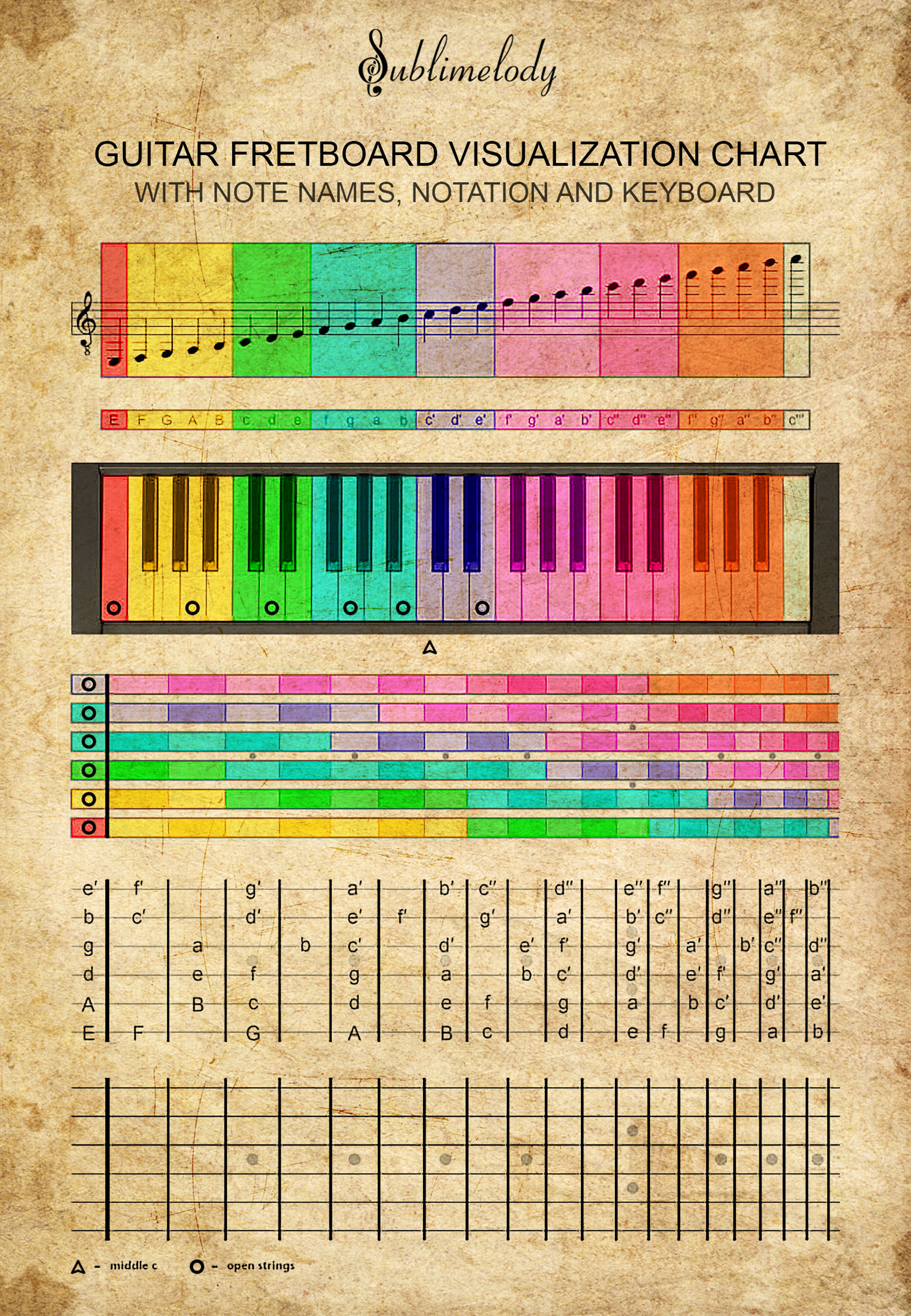
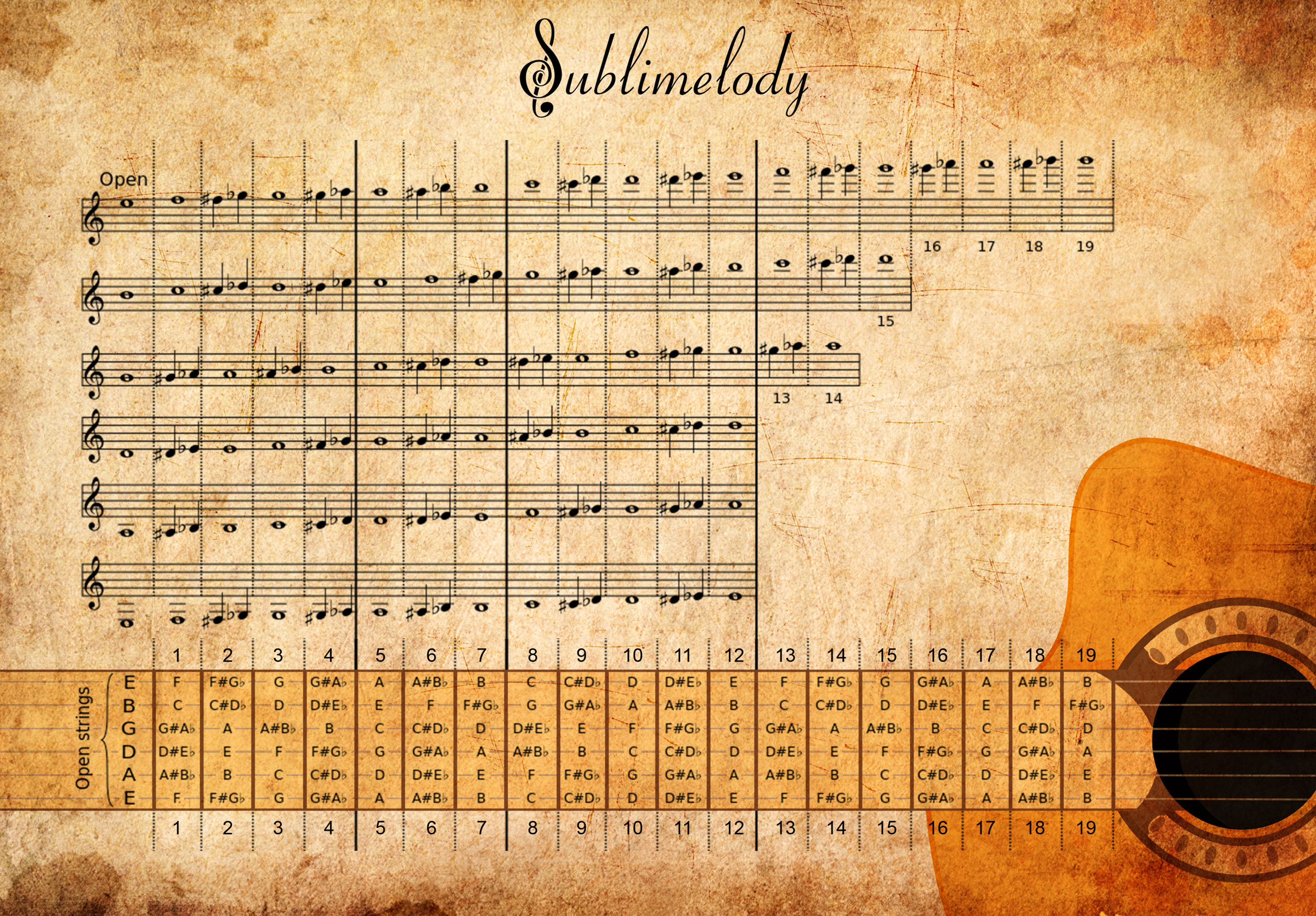
1. Music Notes And Fret-Strings On The Guitar Fretboard

The diagram below shows you the connections between music notes and their corresponding string-frets on a standard classical guitar fretboard.

As you already know, we use the treble clef in guitar sheet music.

Each music note on the sheet music often has two or more corresponding string-frets on the guitar fretboard.


We call the string numbers by standard order. From the bottom to the top of the diagram above:

  • E (on the bottom) is the 6th string
  • A is the 5th string
  • D is the 4th string
  • G is the 3rd string
  • B is the 2nd string
  • E (on the top) is the 1st string


Let’s see how we can use the chart above to read music note and its corresponding string-frets:

Where is this note on the fretboard (G4)?

Look at the diagram above, we can see its positions on the fretboard are:

  • 5th string and 10th fret
  • 4th string and 5th fret
  • Open 3rd string


It’s not so hard, isn’t it?

Well, from a pianist point of view, it’s a bit complicated to learn guitar notes. Since to play the G4 note, we have 3 positions to choose from.

And each string is like a mini-piano-keyboard. Therefore, we have 6 keyboards!

Now, let’s move to the next section to see how music notes and piano keys are connected.

2. Music Notes And Keys On The Piano Keyboard

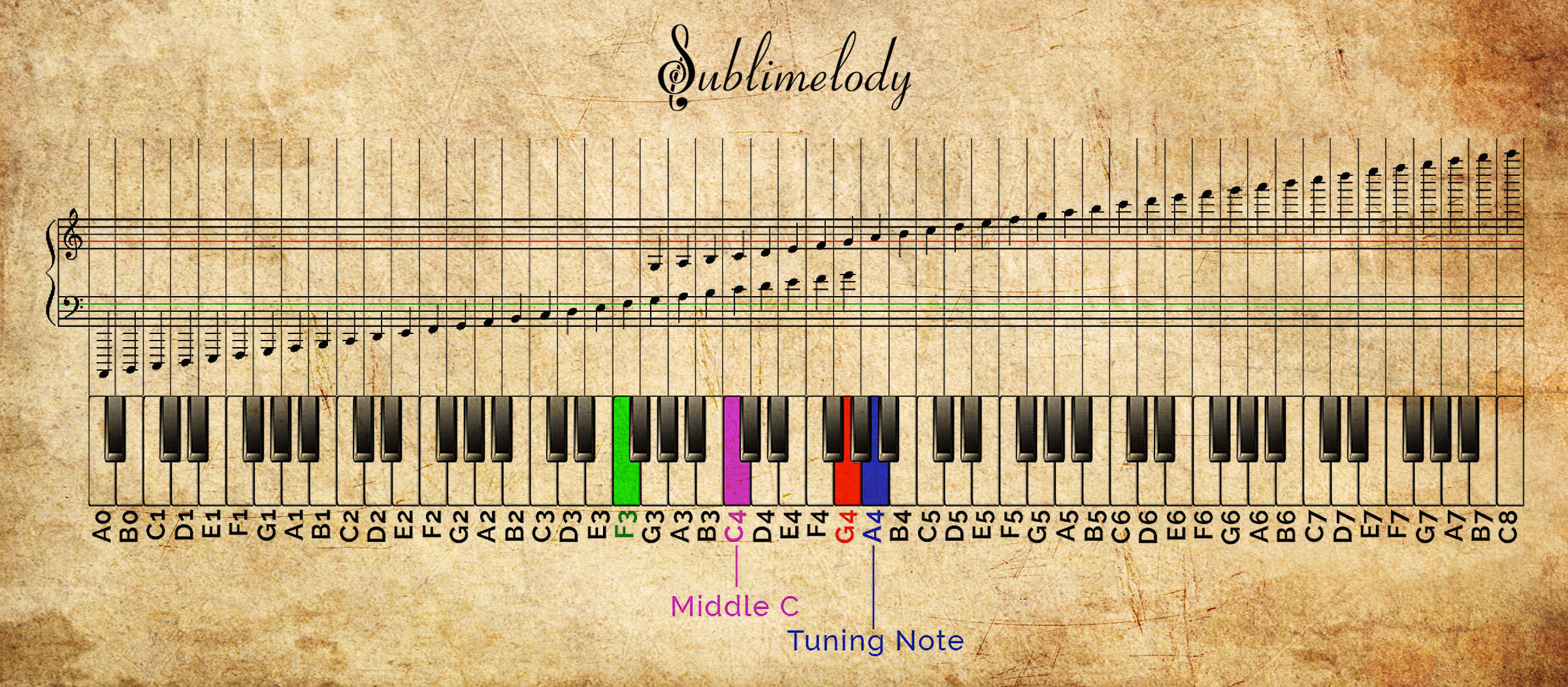
The diagram below shows you the connection between music notes and piano keys.

It may seem complicated at first, but if look closely, you will see that’s pretty simple.


From a guitarist point of view, a piano keyboard is just a string of a guitar. Each piano key is similar to a guitar fret.

The difference is the this “piano string” is much longer and presents wider pitch range than a guitar.


So, learning piano notes seems pretty easy for a guitarist.


Also, you may wonder what is the name of the clef below the treble clef. It’s the bass clef.

In piano, the left-hand plays notes on the bass clef and the right-hand plays notes on the treble clef.


If you want to learn more about reading piano notes and piano keys, and how to do sight-reading fast without memorizing a bunch of facts, click here to visit the visual guide from Sublimelody.


3. The Connection Between The Guitar Fretboard And The Piano Keyboard

Combine 2 diagrams above, and we have the following illustration:

Now, I guess you’ve got the point how music notes, piano keys, and guitar string-frets are connected.


And that’s it for my guide.


If you have any question about this guide, please visit sublimelody.com to get in contact.

8 Great Albums and EPs Recently Released by Female Musicians

Featured Image is Crimson Apple – New Album expected in 2019.

This small list is a showcase of some of the albums and EP’s that I’ve been listening to with female musicians in. I’ve grown up around female musicians my whole life, so it’s strange for me to mainly see men playing instruments at the majority of concerts I’ve seen. If you don’t count singers, there are so many more male musicians represented in music and at music festivals, but it’s certainly changing.

Turn Out The Lights – Julian Baker

Boygenius EP – Boygenius

Dissolve – Tusks

The Sun Will Come Up, The Seasons Will Change – Nina Nesbitt

Flow State – Tash Sultana

Something To Tell You – HAIM

Hunter – Anna Calvi

Under Northern Skies – The Glass Child

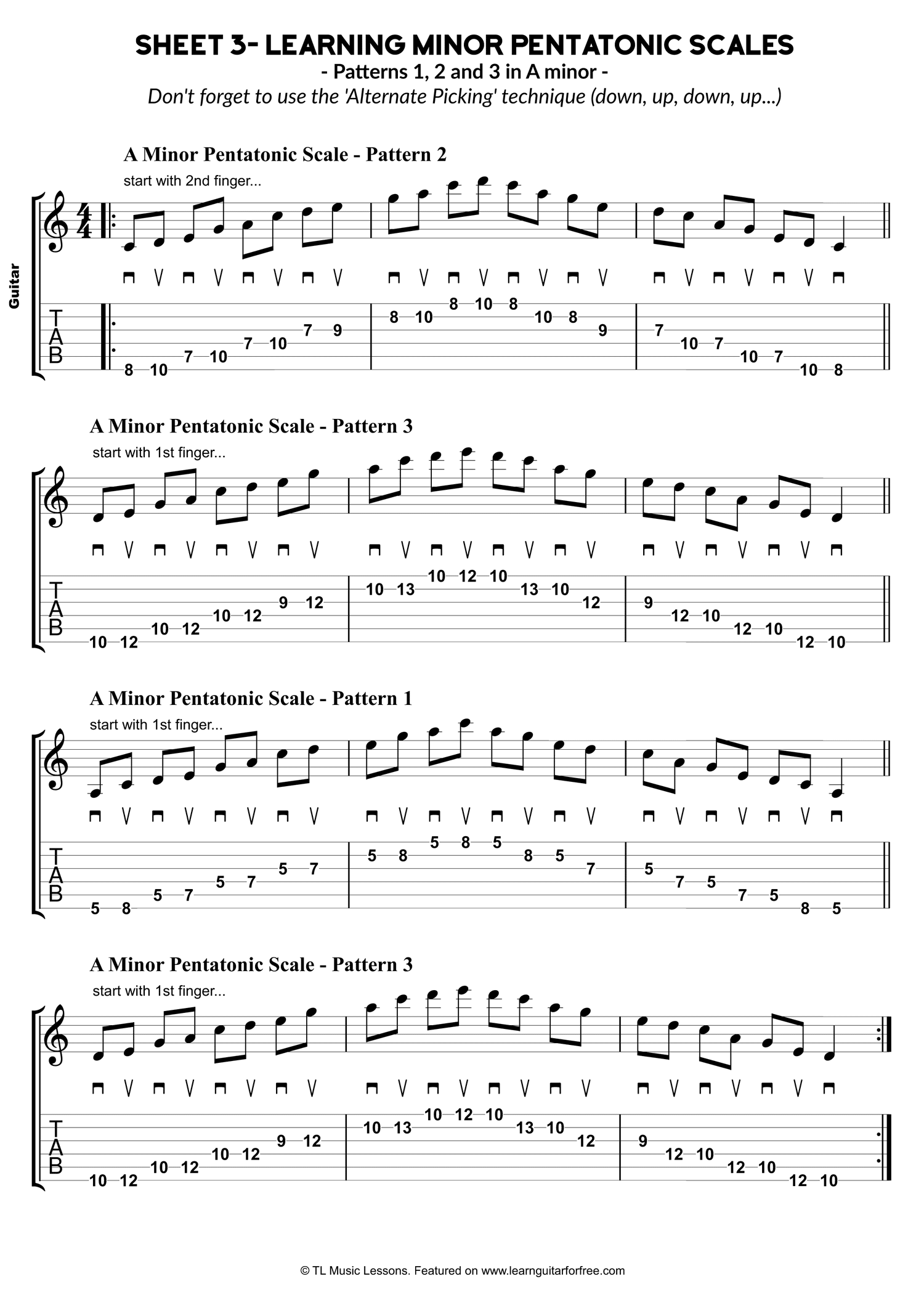
Sheet 3 – Learning Minor Pentatonic Scales – A minor – Patterns 1, 2 and 3

This sheet progresses on from Sheet 2 and is part of an ebook called Learning Minor Pentatonic Scales.

Just like we did in the last sheet, you will be working on patterns 1, 2 and 3 but this time, 2 frets higher in the key of A minor.

More Sheets in the series…

← Sheet 2


Related (Premium): The sheets in this series are from a 25 page PDF ebook: Learning Minor Pentatonic Scales

Sheet 1 – Rock Riffs – Bass Guitar

I’ve finally got another bass guitar student! I teach so many weekly guitar drums and ukulele lessons but I haven’t had a bassist to teach in 2 years. This is an example of why bands find it so hard to find a bass player.

This new student is a complete beginner on bass so I’m rebooting some of my old bass guitar lesson prep ideas and applying it to the new ‘Easy Reading’ designs I have been making for guitar and ukulele, which have really helped with teaching beginners.

Here is a sheet with 4 rock riffs for bass guitar. It uses notes from the E minor pentatonic scale. It’s all fairly easy and ideal for beginners. Keep repeating each exercise for a while and get into a groove before moving on. If you are really keen, try playing in time with a metronome. For many complete beginners though, it will be a matter of playing through each riff slowly.

For the complete beginners, read from left to right and play each number as it comes up. So on Riff 3, the sequence would be 0 0 3 3 0… 2 0 2 0 2 0. The top line is the 1st string, and that’s the thinnest string on the bass. The strings are numbered 1-4 on the left hand side.


Update, Jan 2019: I now have 3 bass students, which I’m really pleased about, so I hope to post more bass exercises soon on the website.

(PREMIUM) – First Guitar Book – Easy Reading Scales, Riffs & Melodies

Buy Now →

A Ukulele Version is also available.

  • PDF ebook
  • 20 pages
  • Easy to read design
  • Song melodies
  • Scales
  • Riffs
  • Useful for beginners of all ages.
  • Includes 3 blank template PDF files for writing your own scales and exercises

Contents

  1. Front Cover
  2. Contents
  3. Introduction
  4. How To Read The Music – Part 1
  5. How To Read The Music – Part 2
  6. Twinkle Twinkle Little Star (FREE)
  7. Happy Birthday
  8. Sheet 1 – Guitar Scale Exercises (FREE)
  9. Sheet 1 – Rock Riffs
  10. Camptown Races
  11. Sheet 2 – Rock Riffs
  12. Amazing Grace
  13. Sheet 2 – Guitar Scale Exercises
  14. Morning Has Broken
  15. Sheet 3 – Rock Riffs
  16. Sheet 3 – Guitar Scale Exercises
  17. Can Can
  18. Sheet 4 – Guitar Scale Exercises
  19. Sheet 4 – Rock Riffs
  20. Mexican Hat Dance

People that might find this book useful

  • Beginner Guitar students of any age group.
  • Guitar teachers can print the book or single sheets for their students and teach it to them.
  • Get used to the basics with this easy to read book before moving onto standard tab and notation.
  • Parents may be able to teach their children with this book.
  • Some may be able to teach themselves the basics with this book.

About The Book

This easy reading ebook is a compilation of 9 years teaching guitar and preparing lesson sheets for my students. I developed the easy reading design for complete beginners. It is based on normal guitar tab, but simplifies it so that there are no distractions, and it’s huge and easy to look at rather than the numbers being small.

I tested some of these sheets over the last 6 months until I was ready to create the rest of the book. I have found that the format that I have created takes away any unnecessary distractions in order to teach the basics without distractions and confusion. I believe it solves problems with reading the music for beginners of any age, but particularly for young beginners.

I decided to create this range of sheets like this one to make both my life easier and to help my students get to grips with reading tab quicker for playing scales, melodies, public domain songs, traditional songs and riffs. I have created the sheets using Adobe Illustrator.

There are different ways of playing the scales so it’s ok to do what works for you but don’t just use 1 finger for all of it! Younger players think it’s faster at first, but it’s really not in the long run. If you have frets 1 2 3 and 4 to play in an exercise, you could use all 4 fingers to play it (1st, 2nd, 3rd and 4th finger). Use this technique of ‘one finger per fret’ where it seems comfortable to do so. If a scale only has 0, 2 and 3 in it, then you could use just your strongest 2 fingers to play it (1st finger for the fret 2’s and 2nd finger for the fret 3’s).

Guitar teachers can use this ebook in their own teaching and they are welcome to print physical copies for their students.

Buy Now →

(PREMIUM) – First Ukulele Book – Easy Reading Scales & Melodies

Buy Now →

A Guitar Version is also available.

This easy reading Ukulele book has been created using Adobe Illustrator so that the basics of song melodies, scales, arpeggios and warm up exercises can be taught, learned and read in the easiest and clearest way possible for beginners of all ages.

  • Songs, Scales, Arpeggios and Warm Up Exercises.
  • Easy to read for all ages
  • Printable PDF ebook.
  • 20 pages.
  • Also includes 3 blank templates for writing your own exercises.

Contents

4. How To Read The Music
5. Twinkle Twinkle Little Star (FREE)
6. Happy Birthday
7. Ukulele Warm Up 1
8. London Bridge
9. Sheet 1 – Scales (FREE)
10. Morning Has Broken
11. Ukulele Warm Up 2
12. Amazing Grace
13. Arpeggios & Chords
14. Can Can
15. Camptown Races
16. Frère Jacques
17. Sheet 2 – Scales
18. Sheet 3 – Scales
19. Sheet 5 – Scales
20. Sheet 6 – Scales

People that might find this book useful

  • Beginner Ukulele students of any age group.
  • Ukulele teachers can print the book or single sheets for their students.
  • Get used to the basics with this easy to read book before moving onto standard tab and notation.
  • Parents may be able to teach their children with this book.
  • Some may be able to teach themselves the basics with this book.

About the book

This easy reading ebook is a compilation of 3 and a half years of preparation work teaching ukulele to a wide range of abilities and also from 9 years of teaching guitar, which has influenced and helped my teaching and playing of the ukulele.

I tested some of these sheets over the last 6 months until I was ready to create the rest of the book. I have found that the format that I have created takes away any unnecessary distractions in order to teach the basics without distractions and confusion. I believe it solves problems with reading the music for beginners of any age, but particularly for young beginners.

I decided to create this range of sheets like this one to make both my life easier and to help my students get to grips with reading tab quicker for playing scales, public domain songs, traditional songs, arpeggios and warm up exercises. I have created the sheets using Adobe Illustrator.

The finger suggestions are a guide to what I recommend to my students. There are different ways of playing the scales so it’s ok to do what works for you. Just don’t use 1 finger for all of it! Younger players think it’s faster at first, but it’s really not in the long run.

Ukulele teachers can use this ebook in their own teaching and they are welcome to print physical copies for their students.

Buy Now →

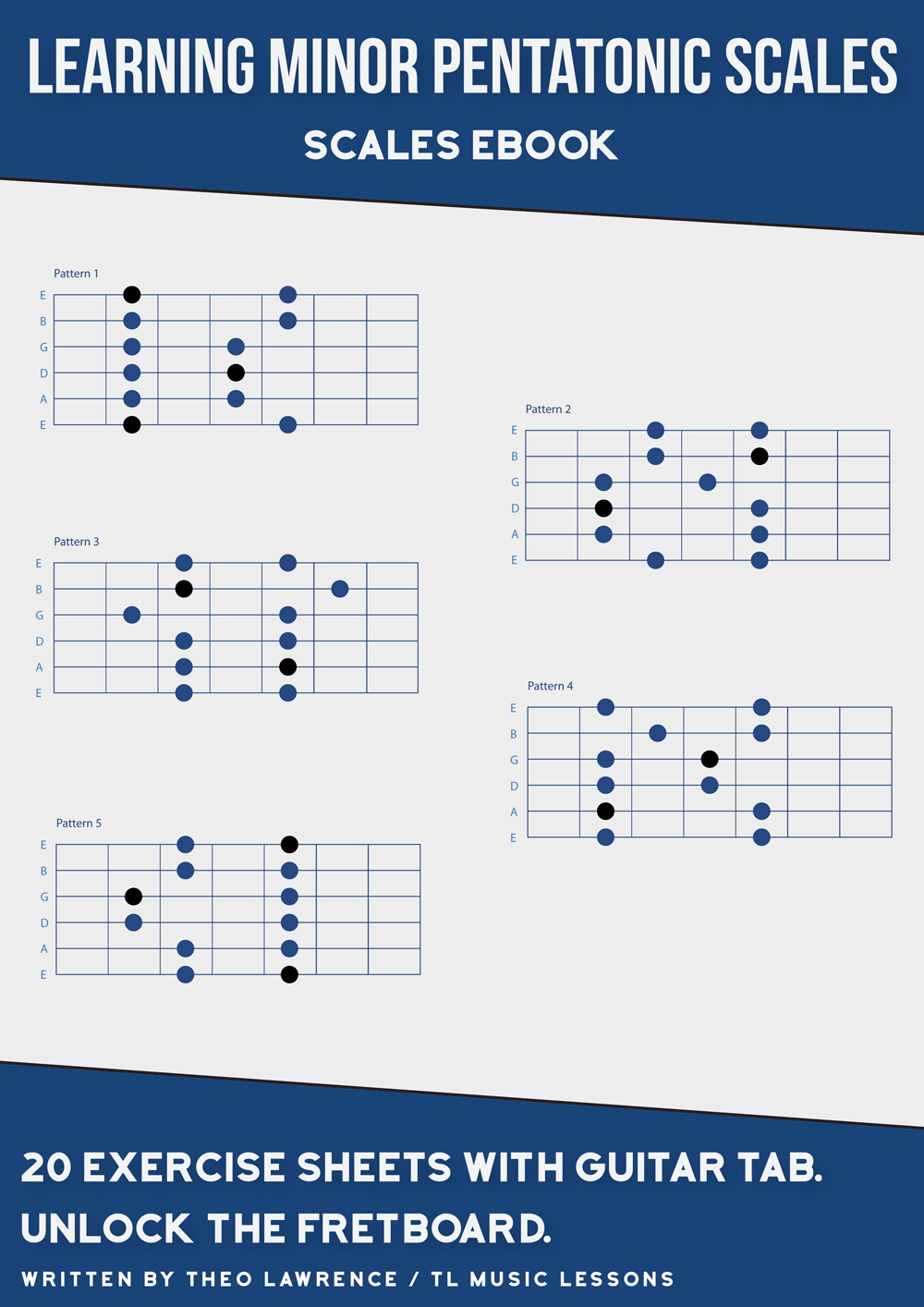
(PREMIUM) – Learning Minor Pentatonic Scales – PDF Ebook

Buy Now →

Contents

2 – Contents
3 – Introduction
4 – The 5 Moveable Scale Shapes
5 – Exercise Sheets 1 – 13
18 – Full run through of all 5 scale shapes in various keys
24 – All possible A minor pentatonic scale positions covering the whole neck

Self published in 2018 by TL Music Lessons.

Introduction

People that might find this book useful

  • Guitarists wanting to learn how to play guitar solos and improvise along with songs.
  • Guitar teachers can print the book or single sheets for their students.
  • Guitarists can teach themselves how to play the 5 minor pentatonic scales by following the book. The aim is to be able to do this from memory by the end of the book in various keys.
  • Guitarists on Grade 3 and above will find the scales useful for soloing. The 5 scale shapes are required for Grade 5, and for some syllabuses they are required for Grade 4.

About the book

This minor pentatonic scales ebook is a compilation of 9 years of preparation work teaching guitar to a wide range of abilities. After trying many ways of teaching scales to students and moving them on to improvising and soloing, I have developed this exercise ebook to really get to grips with these 5 scale shapes. If you follow the whole ebook and spend time on each sheet there is a strong chance of being able to use these scale shapes from memory for improvising and soloing.

I recommend spending about a week’s worth of practice on each sheet in the book. Really focus on that sheet for 3 or 4 practice sessions. It’s going to take you 20 weeks to do that, so you might want to move through it quicker, but I recommend doing that as you progress further through the book. Start out slow and then once it starts to click and you get used to the shapes then you can spend less time on each sheet. Make sure to follow the repeats on each sheet, which usually say to repeat the sheet twice. You are welcome to play more than twice though, or don’t do the repeat if you only have a short time to practice.

The finger suggestions are a guide to what I recommend to my students. There are different ways of playing the scales so it’s ok to do what works for you. Just don’t use 1 finger for all of it! Younger players think it’s faster at first, but it’s really not in the long run. I remember one student that I had to battle with for ages to agree to use more than 1 finger on her scales and then after a few weeks of practicing with all the fingers, she found it funny because it was much quicker and easier than using just one finger.

The guitar tab sheets have been created using Guitar Pro 7 and the scale shapes and cover were created using Adobe Illustrator.

Guitar teachers can use this ebook in their own teaching and they are welcome to print physical copies for their students.

Free Previews

  • Click the Buy Now button below and then click ‘Preview’ at the top right of the product image
  • There is also a series of free posts featuring some of the minor pentatonic scale exercise sheets.

Buy Now →

Sheet 2 – Learning Minor Pentatonic Scales – G minor – Patterns 1, 2 and 3

This sheet progresses on from Sheet 1.

In this sheet we introduce the 3rd minor pentatonic pattern. This pattern appears twice in the exercise. We are trying to learn it but at the same time we will try and build relationships between the 3rd shape and the 1st and 2nd shapes. Make sure to go around the sheet twice to complete the exercise. This can be revisited many more times. I would spend at least one week’s worth of practice time focusing on one sheet at a time in this series, rather than rinsing all the sheets in one go.

When learning the minor pentatonic scales (and most other scales too), it is important not to view them as boxes that you get stuck in when playing guitar solos. There are 5 shapes and the sooner you get used to linking them up and not lingering on one shape, the better. The scale shapes are a tool for navigating guitar neck and it’s useful to start linking up the shapes so that you can move from one shape to another seamlessly.

The ultimate aim is to be able and to be comfortable moving between shapes, regardless of how many notes you have played in the scale. The aim is not to play up and down each scale and seamlessly to the next, it’s to be so comfortable with moving between shapes that when you start playing guitar solos, you can move between the shapes without needing to follow the full scale. So, for example play a few notes of Shape 1, and slide up to shape 2 and play a couple more, and maybe quickly switch up to a combination of notes on shapes 4 and 5.

When you are comfortable, stick on a song in the given key and try playing the scales along. Then try improvising some melodies, or maybe some guitar solos if you are ready, using a combination of the 2 scale shapes. Try doing these along with some music. Use songs in the key of G minor to play along with.

More Sheets in the series…

← Sheet 1
Sheet 3 →


Related (Premium): The sheets in this series are from a 25 page PDF ebook: Learning Minor Pentatonic Scales

Sheet 1 – Learning Minor Pentatonic Scales – G minor and A minor – Patterns 1 and 2

When learning the minor pentatonic scales (and most other scales too), it is important not to view them as boxes that you get stuck in when playing guitar solos. There are 5 shapes and the sooner you get used to linking them up and not lingering on one shape, the better. The scale shapes are a tool for navigating the guitar neck and it’s useful to start linking up the shapes so that you can move from one shape to another seamlessly.

The ultimate aim is to be able and to be comfortable moving between shapes, regardless of how many notes you have played in the scale. The aim is not to play up and down each scale and seamlessly to the next, it’s to be so comfortable with moving between shapes that when you start playing guitar solos, you can move between the shapes without needing to follow the full scale. So, for example play a few notes of Shape 1, and slide up to shape 2 and play a couple more, and maybe quickly switch up to a combination of notes on shapes 4 and 5.

So, with this sheet, we are starting with Shape 1 and 2 in G minor and we hope to achieve the first goal of getting used to 2 scale shapes back to back and hopefully starting to remember the shapes as we move them both up 2 frets into the key of A minor. Repeat each exercise 2-4 times regularly until you are comfortable and fluent. You can revisit these exercises at any time – they will always be useful.

Make sure to use 1 finger per fret, because each scale shape only spans 4 frets. That way you will play them quicker in the long run. Don’t waste time thinking you will be faster with 1 finger only because you will soon be faster using all 4 fingers after a bit of practice. Also, use the ‘alternate picking’ technique (down, up, down, up) as written.

When you are comfortable, stick on a song in the given key and try playing the scales along. Then try improvising some melodies, or maybe some guitar solos if you are ready, using a combination of the 2 scale shapes. Try doing these along with some music. Use songs in the key of G minor for the first exercise (first 2 lines), and songs in the key of A minor for the second exercise (lines 3 and 4).

More Sheets in the series…

When you have spent at least few practices on this sheet and start to recognise the shapes a little bit, try moving onto Sheet 2:

Sheet 2 →


Related (Premium): The sheets in this series are from a 25 page PDF ebook: Learning Minor Pentatonic Scales